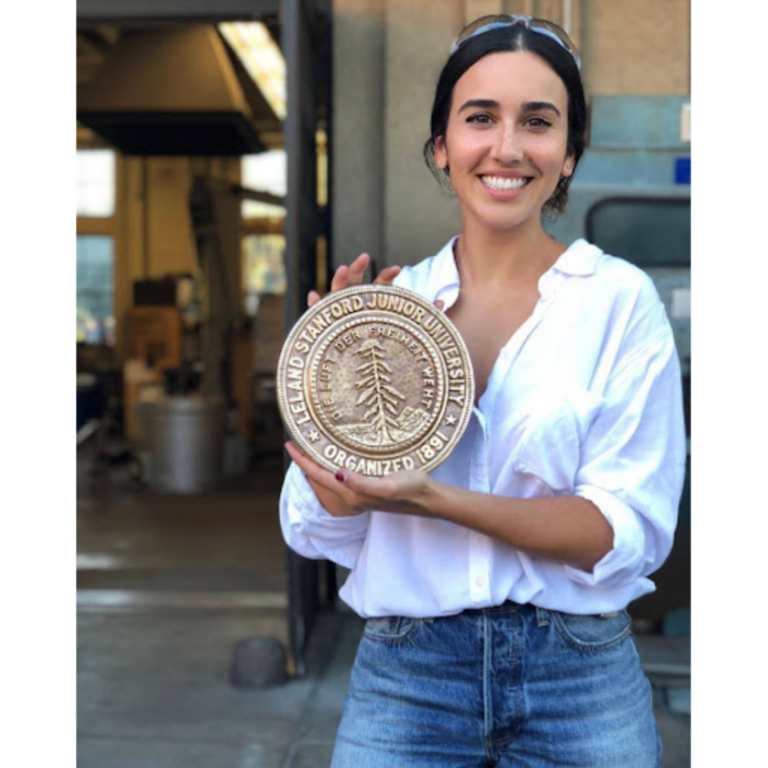
Sonia Priscilla Garcia graduated in 2020 with an MS in Engineering in the Design Program through the Stanford d.school, and her work focused on mental health. Soon after graduation, Sonia launched Amae Health, which delivers precision medicine and integrated care for complex mental health conditions across every stage of recovery. Read more about Sonia’s experience at the d.school and the future of Amae Health, in her own words, below.
From personal loss to precision medicine
I came to the d.school with a big question: What would it look like to redesign mental health care from the ground up, especially for people living with severe mental illness (SMI)?
My path here is both professional and deeply personal. I studied biomedical engineering and built a career at the crossroads of health care, technology, and design. But my passion stems from growing up in South Texas in a large Hispanic immigrant family where mental health was never discussed. At 16, I suddenly and tragically lost my dad to suicide. In the aftermath, my mom, siblings, and I were left alone to navigate a healthcare system that was fragmented, confusing, and focused on short-term crises rather than long-term healing. That experience set me on a mission: to ensure no family would have to go through what mine did.
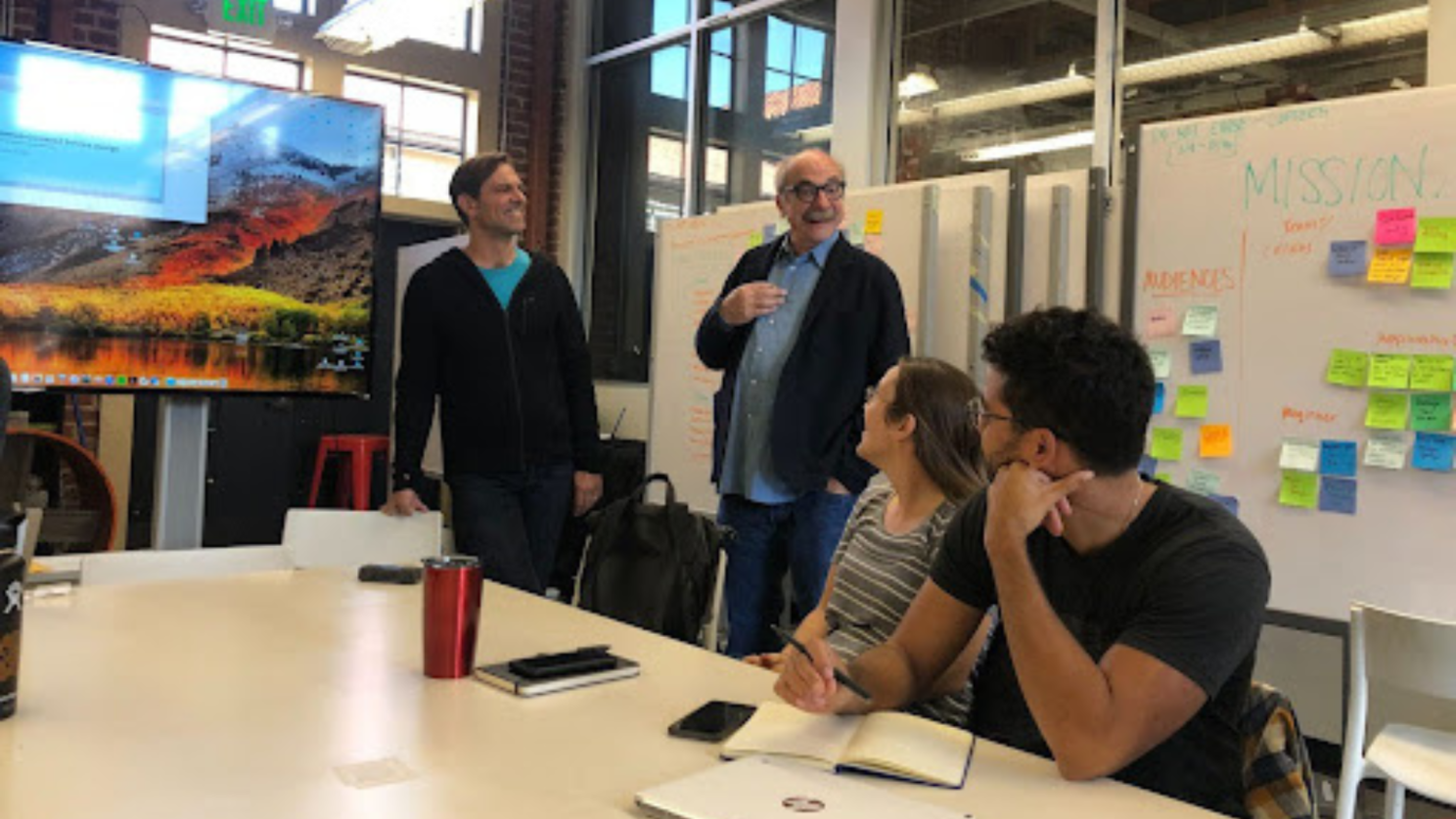
At the d.school, I found the space to translate that mission into action. Through human-centered design, I explored how care could shift from being reactive to truly supportive, and from transactional to hospitality driven. I prototyped models that combined psychiatry, peer support, and community connection; ideas that later became the foundation of Amae Health, the company I co-founded after graduating.
Today at Amae, we are working to create a center of excellence for people with SMI, ensuring they receive comprehensive, relationship based, and holistic support rather than being stuck in a reactive and crisis driven system. We currently have five clinics throughout the country and operate in collaboration with top academic medical centers, including NewYork-Presbyterian, Cedars-Sinai, and Mass General Brigham.
The d.school was where I learned the skills to transform personal loss into a scalable solution, and that journey continues today as we continue to grow and expand our impact.
The d.school experience
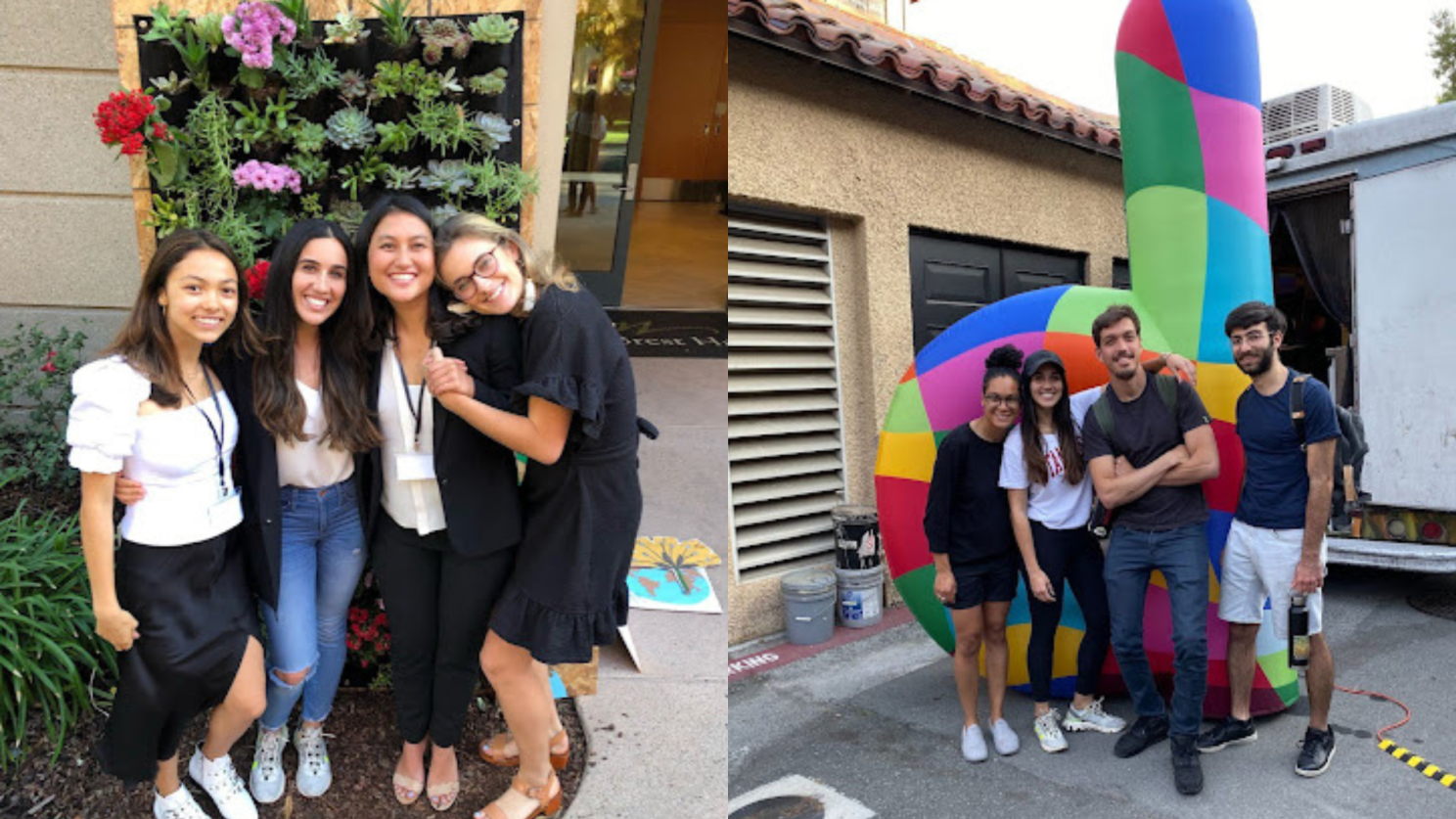
My experience at the d.school was nothing short of magical. I often tell my friends and family that Stanford is the Disneyland of Academia, a place where your wildest ideas and deepest ambitions can come true. The energy on campus is electric; no two days are ever the same. Each day offers opportunities to stretch yourself, collaborate in new ways, and connect with people who are just as curious and passionate about shaping the future as you are.
What made the program so transformative was its refusal to follow a linear path. Instead of checking boxes, you charted your own journey, one rooted in creativity, experimentation, and deep problem solving. That freedom came with responsibility, but also with immense joy. You learned to take risks, to explore, and to push the boundaries of what design could accomplish.
The interdisciplinary nature of the program was another gift. I had the chance to work shoulder to shoulder with engineers, entrepreneurs, physicians, educators, and creatives of all kinds. Everyone brought a unique lens to the table, and that cross pollination of ideas was where the magic happened. For me, it was pivotal in refining how I approach designing mental health care, where systems thinking, empathy, and human connection need to go hand in hand.
Perhaps most importantly, the d.school taught me to prototype relentlessly: to test ideas quickly, gather feedback, and iterate without fear of failure. That mindset has been indispensable in my work ever since, giving me the confidence to turn bold visions into real world solutions.
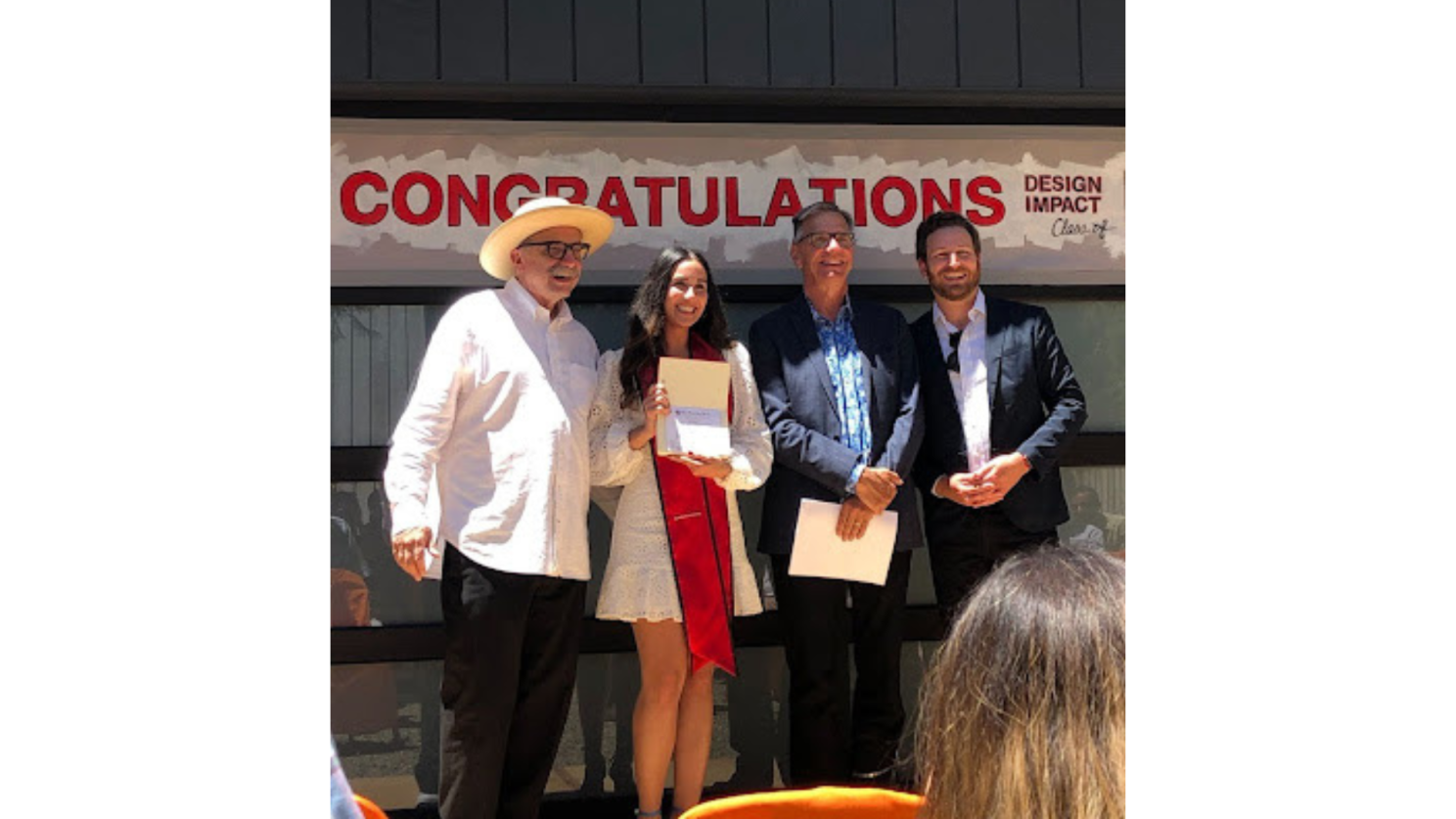
Looking back, I loved every second of the program. It was a space where imagination and rigor coexisted, where your personal mission could take flight, and where the spark of possibility was always in the air.
For me, design is everywhere. It’s the intentional, purpose-driven shaping of products, services, and experiences to meet human needs. It’s the manifestation of a solution.
But design is also a lens: a way of seeing the world not as a fixed reality, but as a series of opportunities for change. It’s about asking what could be? and then building toward that vision with empathy and intention.
My favorite course
The d.school experience is intentionally broad and flexible. You can chart your own pathway and even step outside design to take classes in policy, business, computer science, or medicine. That freedom to personalize my education was unlike anything I’d experienced before, and it allowed me to think holistically about the complex, multidisciplinary challenges I wanted to take on.
That said, Michael Barry’s course on Needfinding for Systems Change stands out as a favorite. It pushed me to go beyond assumptions and really understand people’s lived experiences – what they need, what they value, and where opportunities for change exist. That practice of deep listening and observation became a cornerstone of how I approach design in mental health care.
The combination of rigorous training in needfinding with the ability to tailor my education across disciplines was transformative. It gave me both the mindset and the toolkit to tackle problems that don’t fit neatly into one box, exactly the kind of challenges I’m working on today.
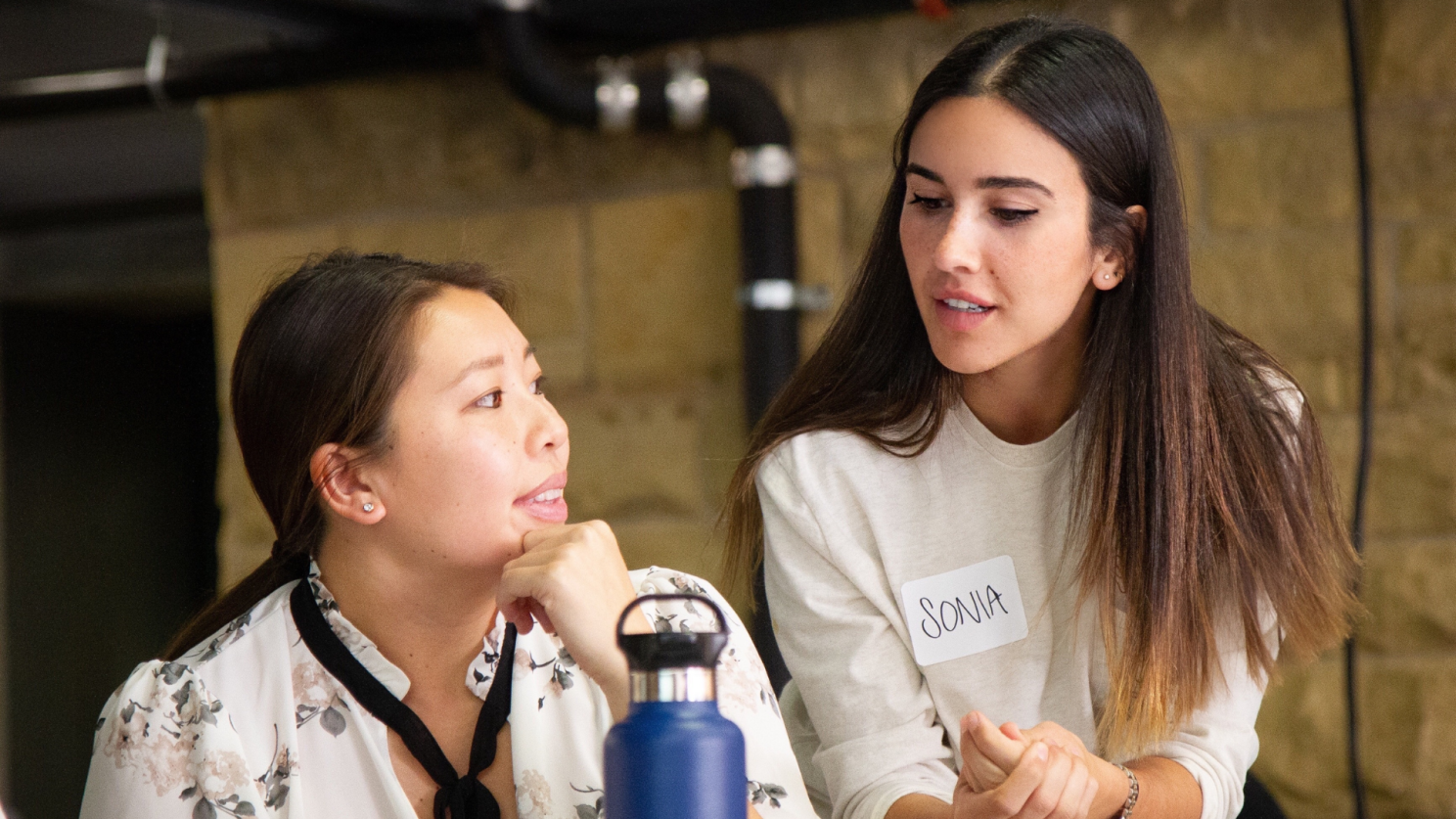
The master’s capstone: a blueprint for Amae Health
For my Master’s Capstone, I worked on the initial blueprint for what would eventually become Amae Health. At the time, my focus was on college aged students, Stanford undergraduates and graduates in particular, who were navigating mental health challenges. The project centered on building community, belonging, and resilience through a thoughtfully designed, community-centered space. Students would participate in guided therapy activities and coaching practices over the course of several days, creating both structure and support in a shared environment.
Then COVID-19 hit. My final quarter was in 2020, and just as I was preparing to launch and test the experience, campus shut down and everyone went home. My capstone suddenly existed in a half finished state, and the culminating event I had envisioned had to be canceled.
That abrupt pivot taught me an invaluable lesson: design is never static. Even in the face of disruption, the core principles of my capstone – community, continuity, and human connection – endured. Those principles became the foundation of Amae Health, which I founded shortly after graduating, and they continue to guide our work today.
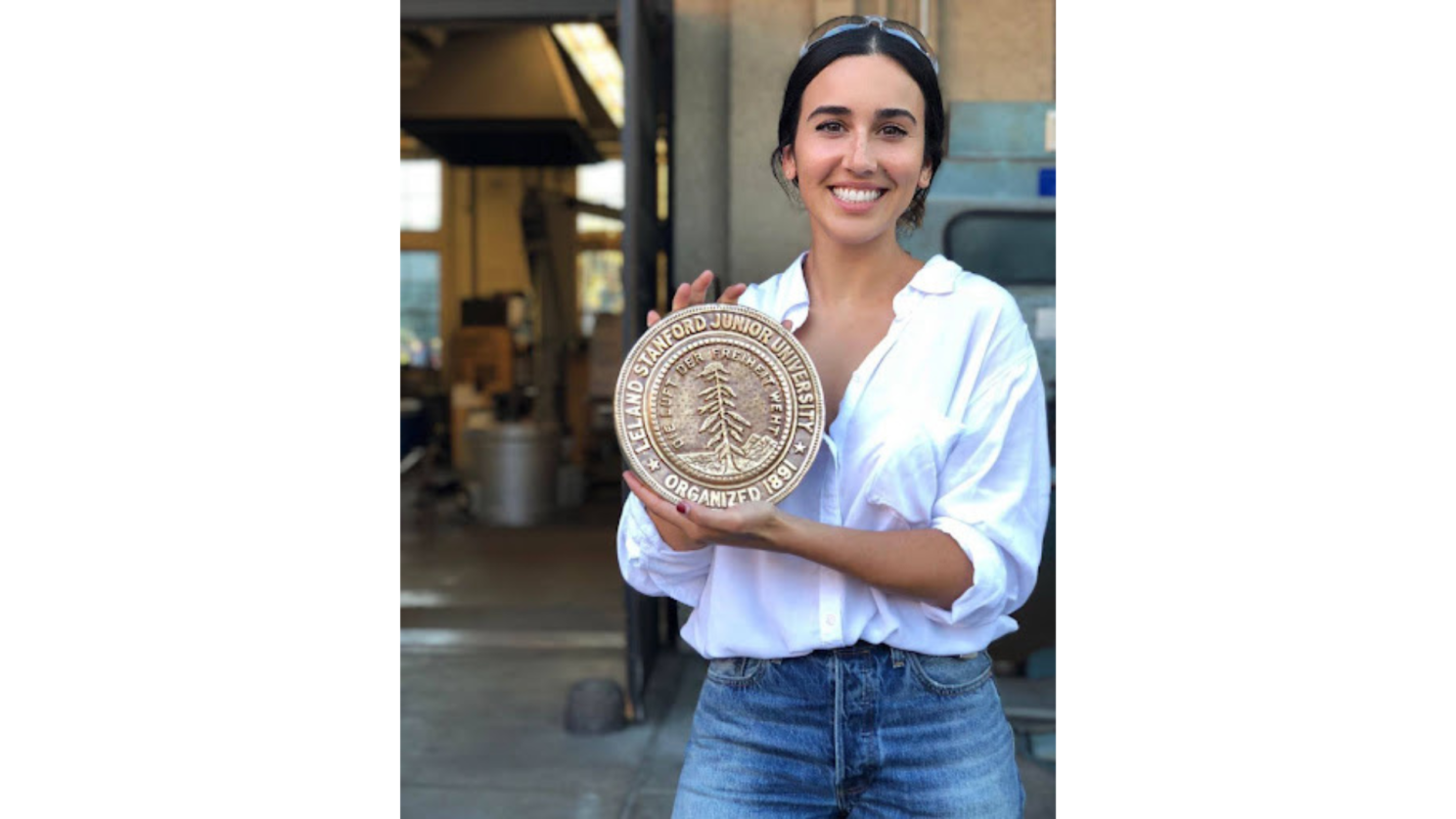
Beyond care, towards cure: the future of Amae Health
Now that Amae Health has been operating for over four years, my focus is on taking our mission to the next level. Our tagline, “Beyond Care, Towards Cure,” captures where we’re headed. In addition to delivering high-quality, integrated, and outcomes-driven care, we’re now turning toward research and AI to transform what’s possible in psychiatry. By collecting and analyzing robust multimodal data, we aim to move into the realm of precision medicine and unlock new approaches that can fundamentally change how we treat severe mental illness.
Our ultimate vision is bold but clear: to find a cure for all severe mental health disorders, such as schizophrenia and bipolar disorder. While psychiatry doesn’t define “cure” today, I believe we can build a future where remission in mental health is measured just as it is in oncology, through years of stability, connection, and purpose.
That is the legacy I hope to leave, helping as many people as possible within our clinics today, while also pushing the field forward so that one day, anyone in need can benefit from what we once thought impossible: a cure.
Gratitude
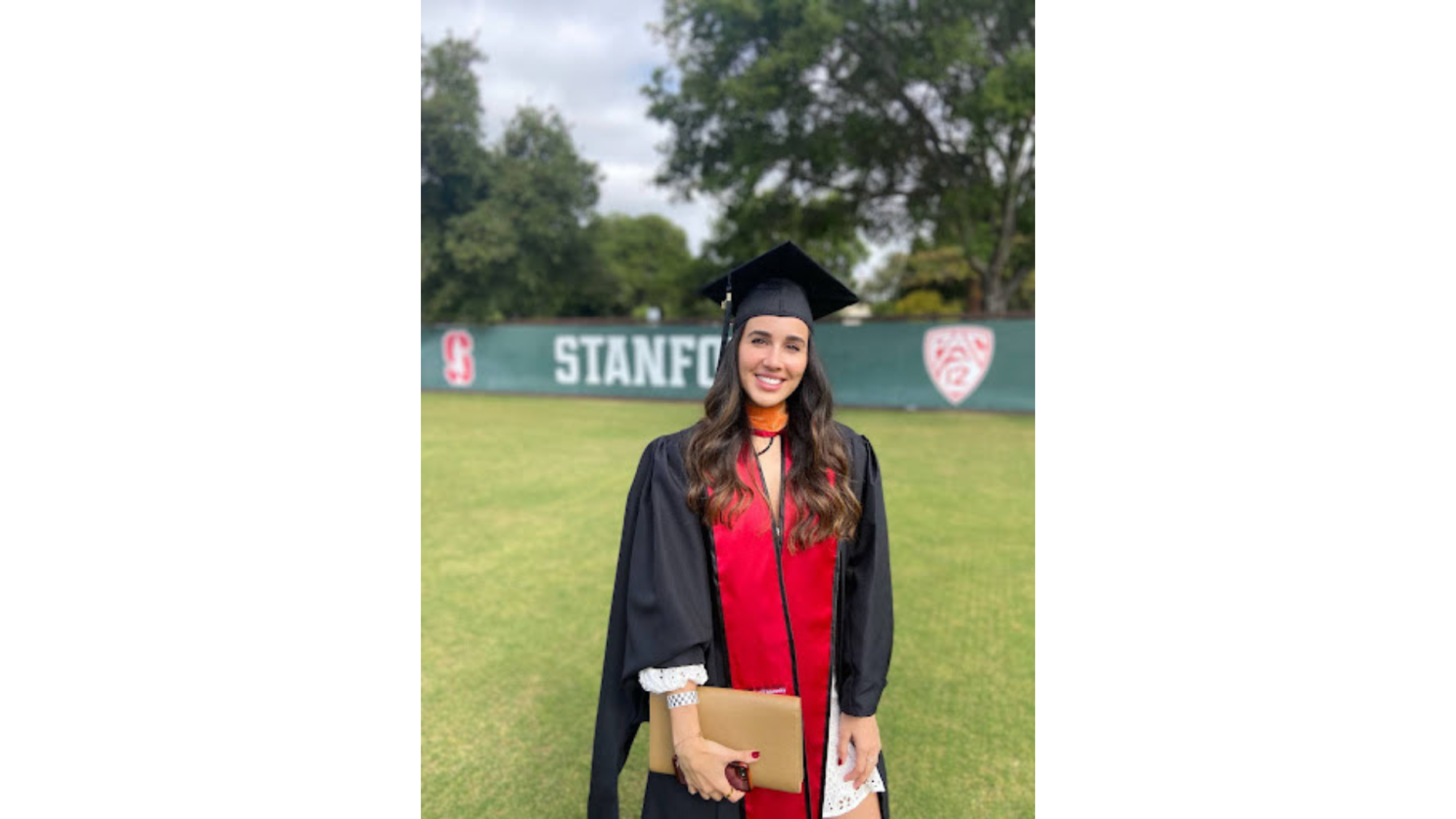
The d.school was one of the most formative and enduring experiences of my life. The connections, learnings, and friendships transcend time and truly changed the course of my journey. I would not be where I am today without the d.school. Exceptionally grateful to David Kelley and Bill Burnett.
To connect with Sonia: