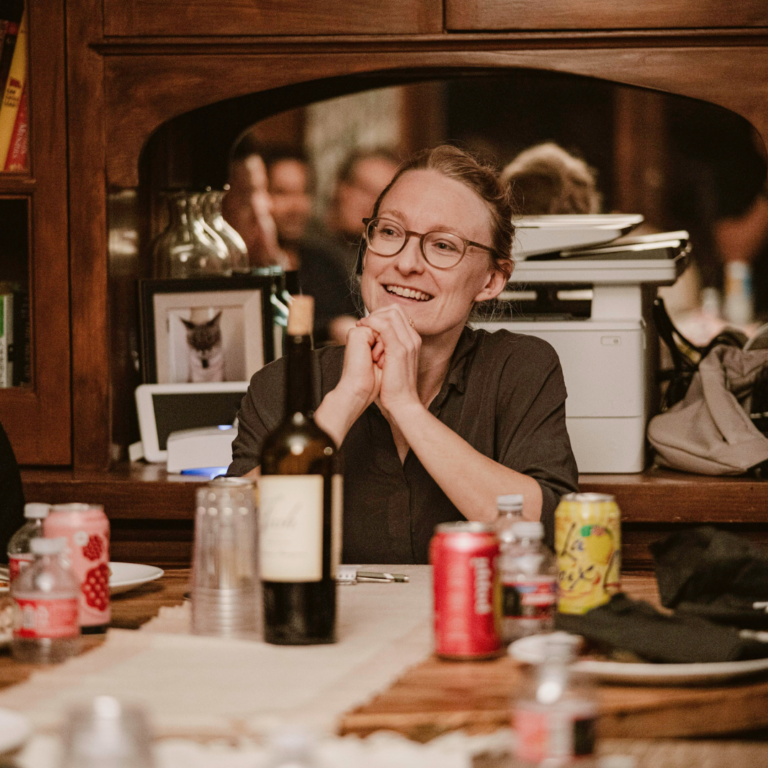
Carmen Leiser’s work has always been about helping people. Studying at the d.school gave her the tools to design the infrastructure that allows human beings to thrive.
From psychologist to strategist, from AI to emotional intelligence.
I was 21, newly in charge of a therapy group, when I realized—uncomfortably and all at once—that I didn’t know how to help the woman sitting across from me.
It was 8:00 AM, all of us being assaulted by fluorescent lights, silence, and a laminated cognitive behavioral therapy worksheet in my hand. The woman, in her 60s, looked utterly defeated—not just by her symptoms, but by decades of systems that had failed her. Her career as a geriatric nurse had drained her, her relationships had crumbled, and her hope was thin.
I remember thinking: It is way too late for what’s on that laminated worksheet.
A few years later, I was managing an outstanding team inside a global corporation. We were tasked with redesigning the customer experience at one of Europe’s major layover airports—a hub that had been losing travelers to flashier competitors, and whose Net Promoter Scores were plummeting.
We hit the ground running: observing travelers, mapping journeys, prototyping pop-up experiences in terminals, involving stakeholders from operations to concessions. From families with toddlers to frugal backpackers, each group had wildly different needs. But one thing came up over and over again: Where can I charge my phone?
It seemed like a clear quick-win. Not too expensive to implement, universally appreciated. I proudly brought the insight to the board, but they disagreed.
"The lack of outlets is on purpose," one of them said.
"If people can sit and charge their phones, they stop walking. And we need them walking to spend money in the shops."
That moment landed with the same weight I’d felt years earlier in that therapy room. I didn’t want to only optimize shareholder value. I wanted to optimize quality of life. And instead of spending my life reacting to breakdowns, I wanted to design systems that prevent them.
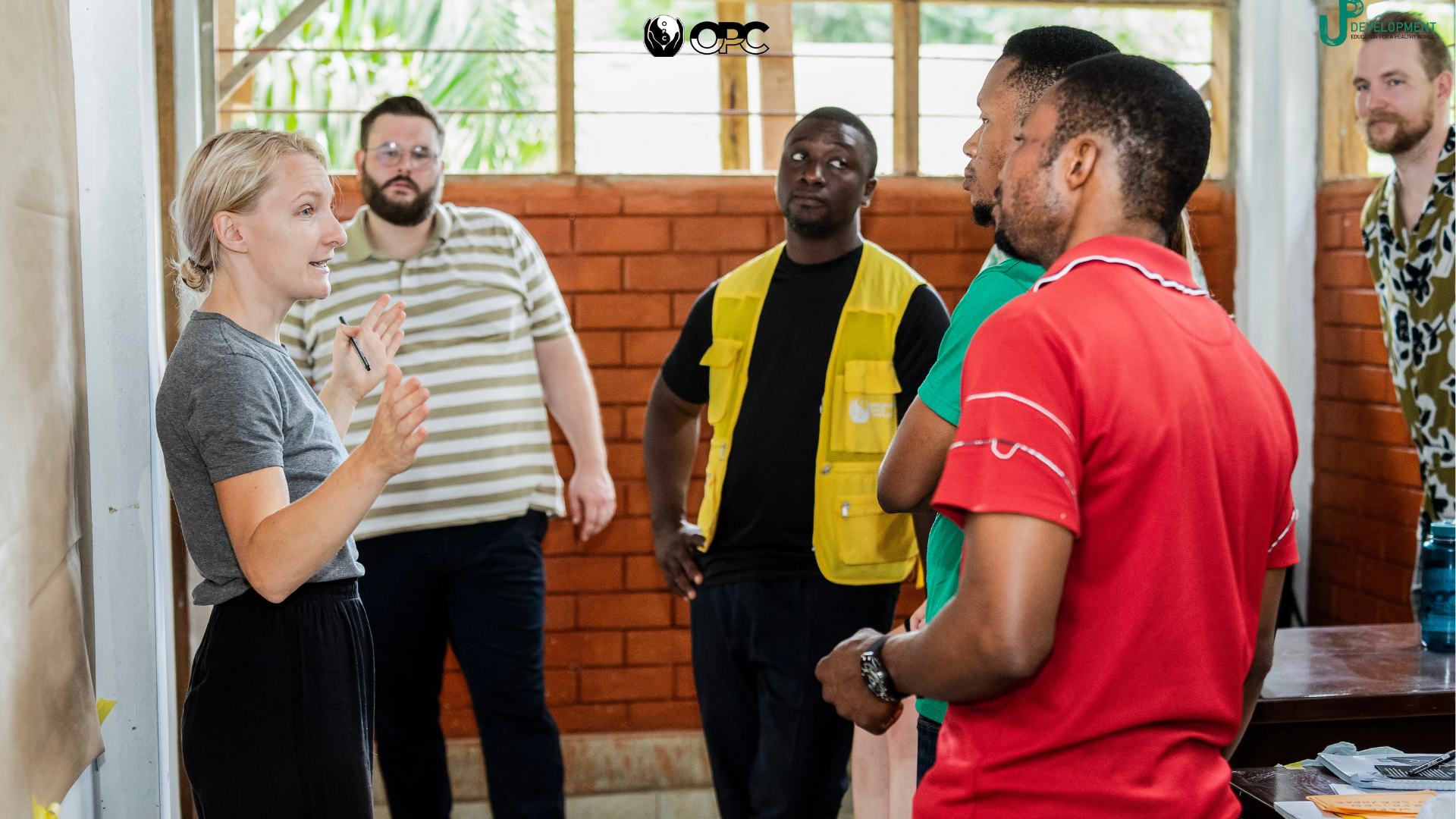
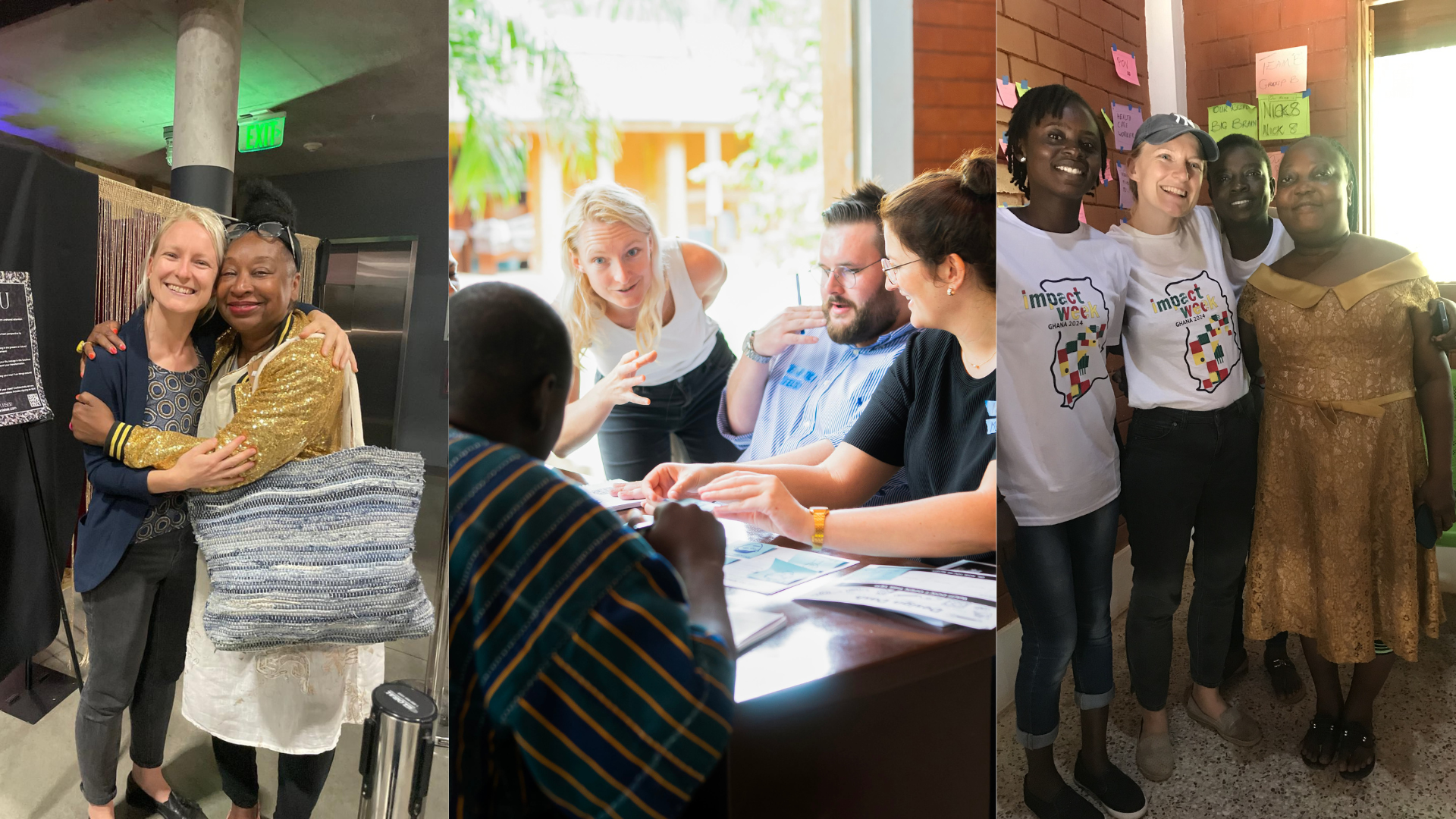
Around the same time, I found myself drawn to design. While training university professors in design thinking in the Global South through the nonprofit Impact Week, I watched design empower communities, challenge assumptions, and shift entrenched systems. For example, during my time in a remote fishing village in Ghana, broken roads meant it took hours for pregnant women to reach medical help. Our team made up of local mothers and fathers co-created a solution with the community: a medical van that could travel to expectant mothers—equipped with birthing supplies, trained personnel, and later pediatric care and vaccines. I learned design wasn’t just a creative process or a buzzword to sell a workshop to a corporation, it was a way to listen deeply, involve the right people, and build practical solutions to urgent problems.
I didn’t think of myself as a “designer,” so when I started searching for more mentorship and training, I looked at MBA programs. But every program I looked at felt misaligned—they seemed enamored with profit, not people. When I discovered the Stanford d.school’s Master of Engineering, Design Impact, it felt like a match: not just resonant values, but also brilliant mentors, accomplished classmates, and a studio space that made me want to stay late every night. I didn’t think they’d admit a psychologist to an engineering program that only takes 12 people a year. So naturally, I applied.
And I got in.
Stanford: A Place to Build Forward
At Stanford, I didn’t just gain tools. I found people whose thinking and generosity raised the bar for what I thought was possible.
I co-taught a course on Human-Centered AI with Peter Norvig and Dan Russell, and explored how emerging technologies can serve—not sideline—human needs. I also worked with Professor Phil Fisher’s team at the Stanford Center on Early Childhood, where I led the design of an AI-driven tool to help prevent child abuse. Our focus was on embedding the tool into existing systems while upholding ethical standards, ensuring data reliability, and maintaining user trust. It was a powerful opportunity to apply rigorous research toward protecting children and supporting families before they fall through the cracks.
My guiding principle: don’t start with AI. Start with need. The underlying, unmet need of your users and your stakeholders.
If your design looks great but it’s solving the wrong need or it encourages harmful behavior, it’s not good design. The real work is designing with both the underlying needs of your users and the consequences for your stakeholders in mind.
Designing for Relationships, Too
Another question drove me during my time at Stanford: Why don’t we work on our relationships with the same intention we bring to our careers or products?
Having been trained in Gottman Method Couples Therapy, I could spot the behaviors that statistically predict divorce almost instantly, but my clients couldn’t always catch them in the moment, especially not outside the therapy room.
So I built an AI-supported tool that analyzes text messages between partners, detects those damaging patterns, and gently alerts the person exhibiting the behavior (not both to minimize escalation and preserve trust). This tool helps to extend therapy and allows couples to practice the insights we uncovered in session when it mattered—mid-conversation, not in hindsight.
That project sparked my next chapter: I started writing a book on how we can apply human-centered design to romantic relationships. It’s not a self-help book on how to respond to symptoms, but on how to design upstream for the behaviors, rituals, and feedback loops that keep relationships strong.
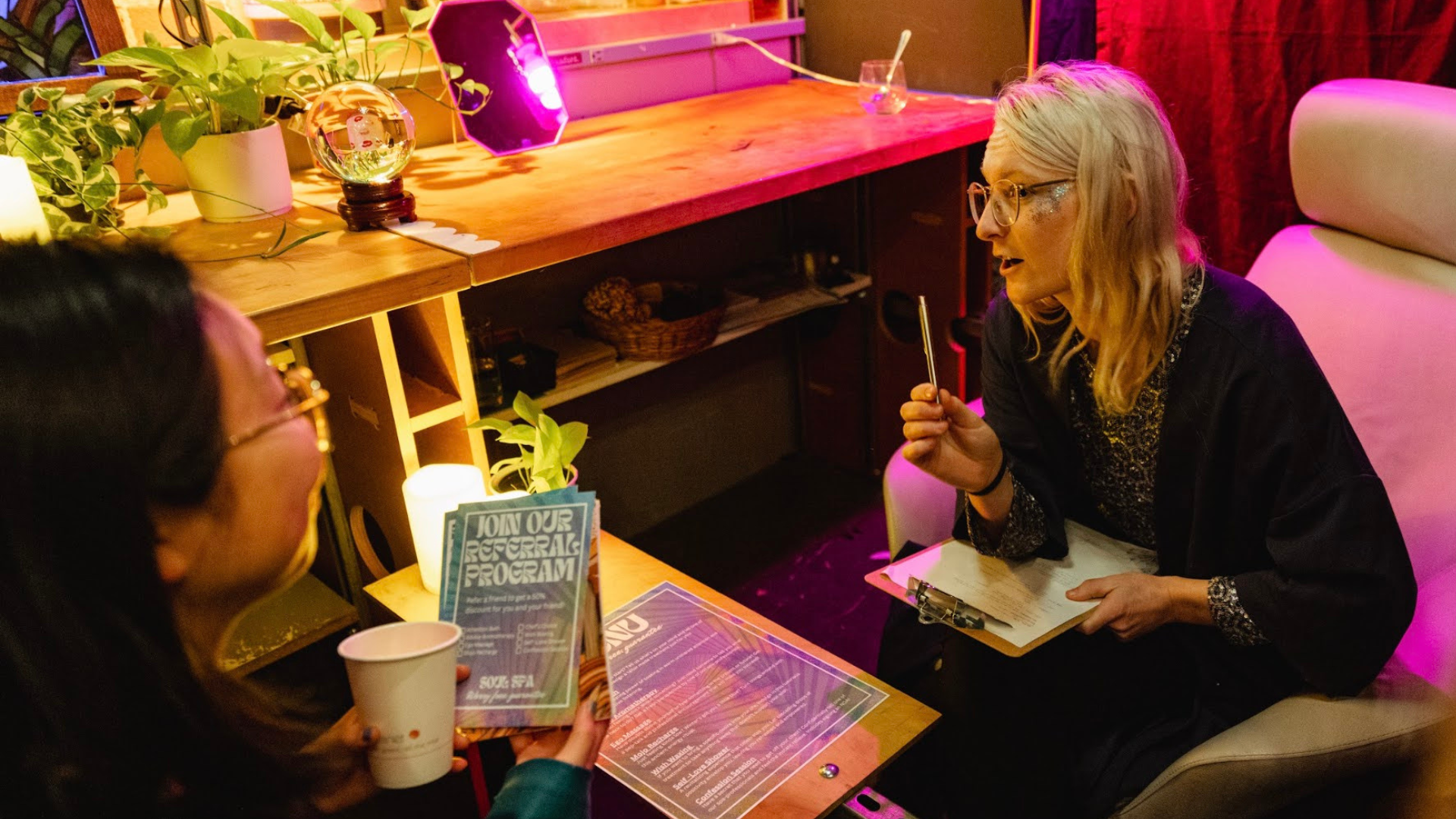
Design Thesis: How About a Spa Treatment for your Soul?
For my thesis, I asked a question most mental health systems don’t: What would it look like to help people stay well, not just recover when unwell?
We tend to treat mental health reactively, after symptoms have escalated, after burnout has settled in, after relationships have frayed. And, of course, therapy is essential. But therapy was built to help people recover from illness. It wasn’t built to help people stay well. And outside of crisis or diagnosis, the question of how we maintain mental health often goes unasked.
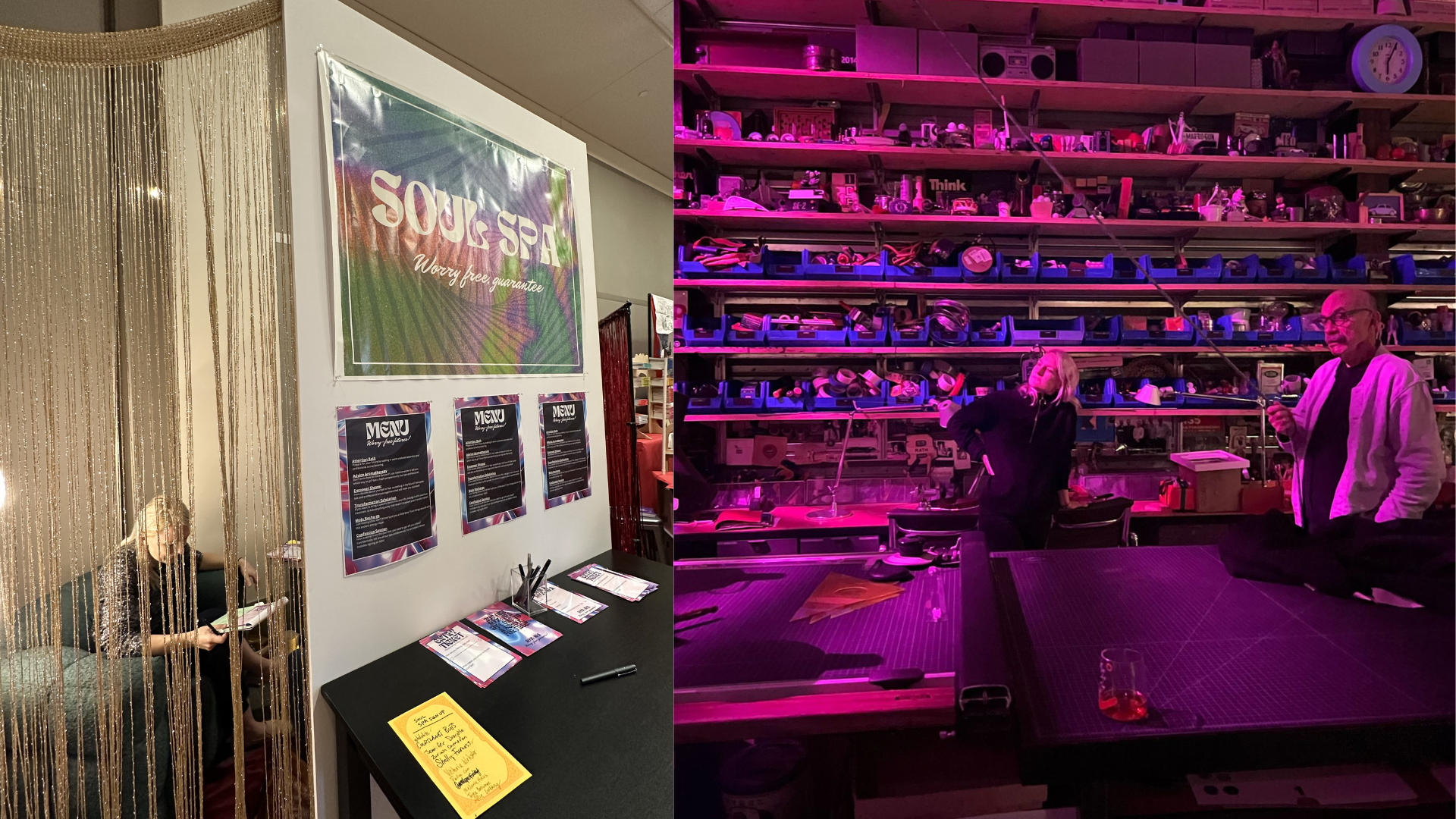
So I created Soul Spa, a pop-up experience offering short, evidence-based conversations disguised as spa treatments. Guests choose from a menu: Attention Bath, Advice Aromatherapy, Empower Shower, and are guided through 10–15 minutes of reflection and support. Every experience is grounded in evidence-based interventions. It looks lighthearted from the outside, but the results are serious, sometimes profound.
At events where I’ve offered Soul Spa, people have stood in line for over an hour just to talk to a stranger (me). I’ve spoken with a young father holding the weight of his relationship unraveling under the strain of postpartum depression—his wife’s, and now, his own. A professor, brilliant and well-known, broke down recounting the subtle but soul-deep impact of institutional discrimination.
Soul Spa showed me something I now see everywhere, from corporate boardrooms to the calls I take at the suicide prevention hotline where I volunteer. We’re not necessarily suffering from a lack of solutions, but from a lack of space to be real.
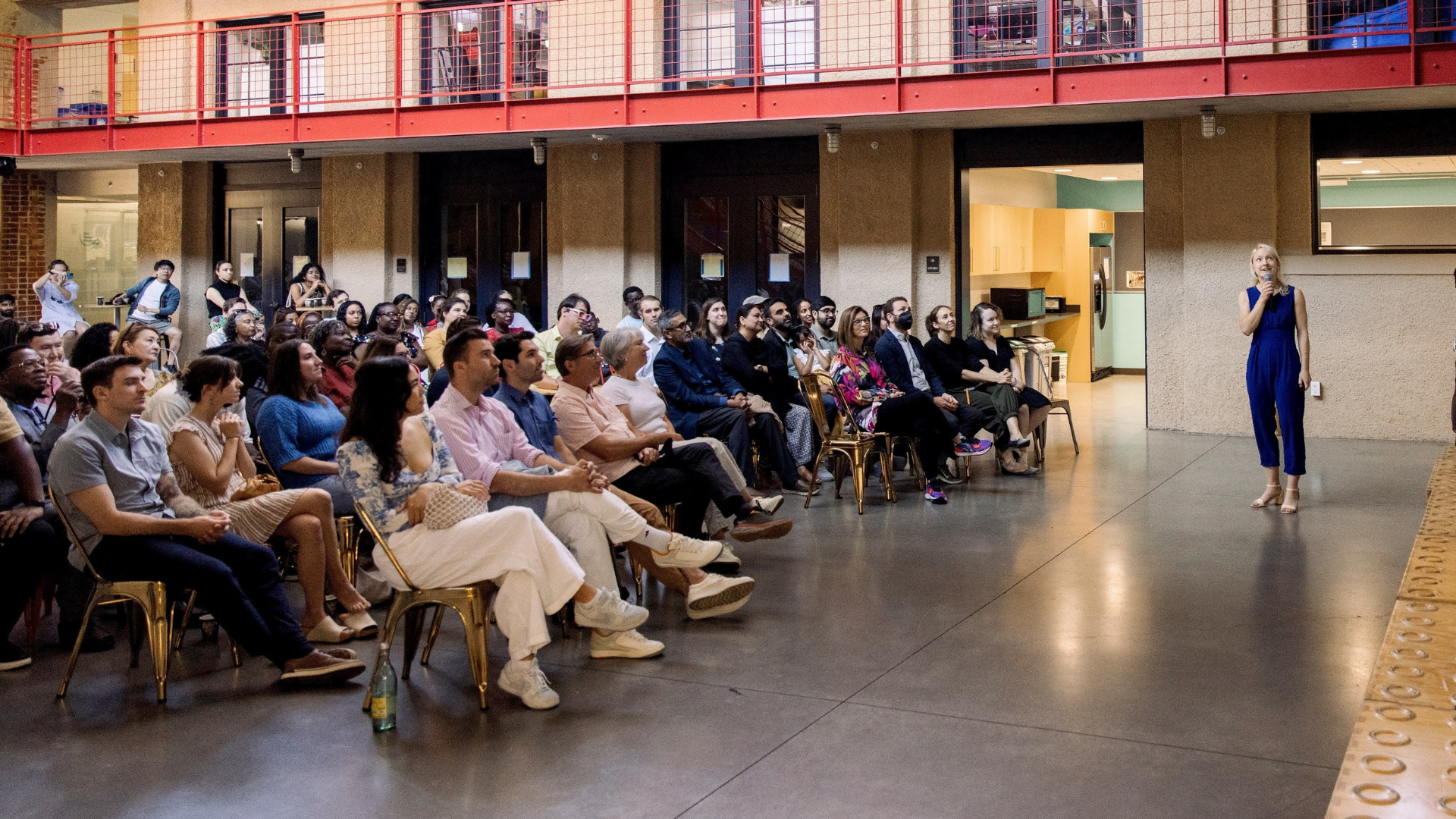
Inner Work for Outer Impact
Helping humans thrive continues to be my focus.
At the d.school, I was introduced to a community of people who share this obsession with reimagining how we live and lead: the Movi Collective, a venture firm and invitation-only collective uniting accomplished people driven by optimism, curiosity, intentionality, and a shared mission to build careers, ventures and lives that create meaningful impact. At Movi, we believe the future isn’t built by ideas alone, it’s built by people. So we invest in both.
Now, I serve as the Director, leading the team that architects the programs and long-term strategy behind Movi’s unique model—ensuring that everything we build not only serves our members but pushes the industry toward more human, values-driven models of innovation and leadership. That’s what our name stands for, Mosaic Vision: a belief that true intelligence is collective, intergenerational and interdisciplinary. That growth doesn’t come from having it all figured out but from showing up honestly and being met by others doing the same.
If we want to build a future that’s truly worth living in, we need to build with more empathy, more nuance, and more humanity. That’s what I’m here for. If Movi or any other part of my work resonates with you, please reach out! You can find me on LinkedIn, at movipartners.com, or at carmenleiser.com.