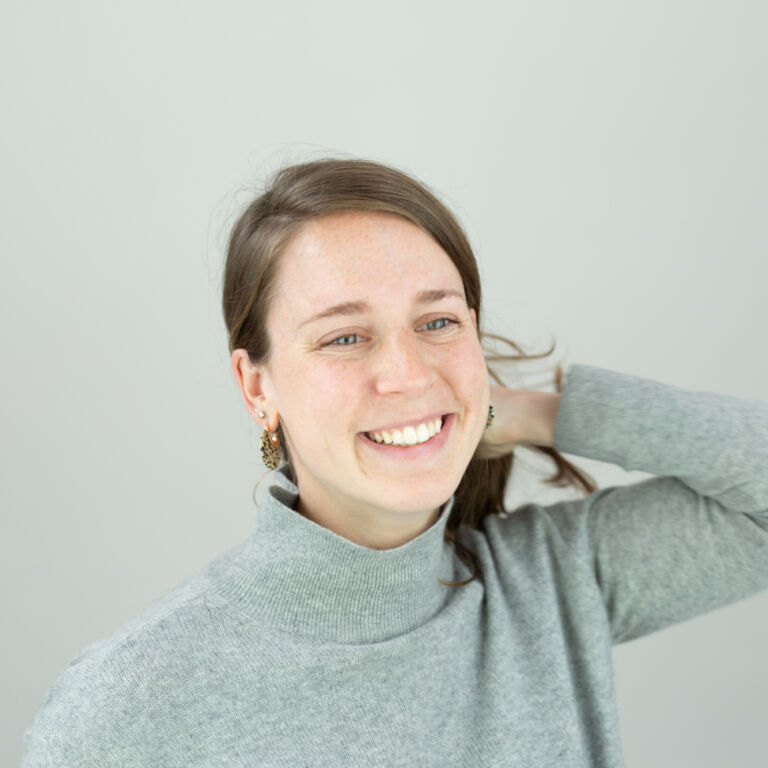
What if global carbon emissions could be cut by rethinking how clothes are made? That’s exactly what Beth Esponnette set out to do through her company, unspun.

Beth’s path to the d.school was by chance. She only found out about it when her husband was applying to Stanford. She studied fiber science and apparel design in undergrad, and became part of the Masters Design program in 2015.
“It was such an amazing time. A lot of classmates, me included, weren’t willing to take menial jobs after, because how could you even compare to that?” said Beth. “The creativity we were allotted and given was too good to be true. I’m lucky I haven’t had to give that up.”
Drawn to curiosity
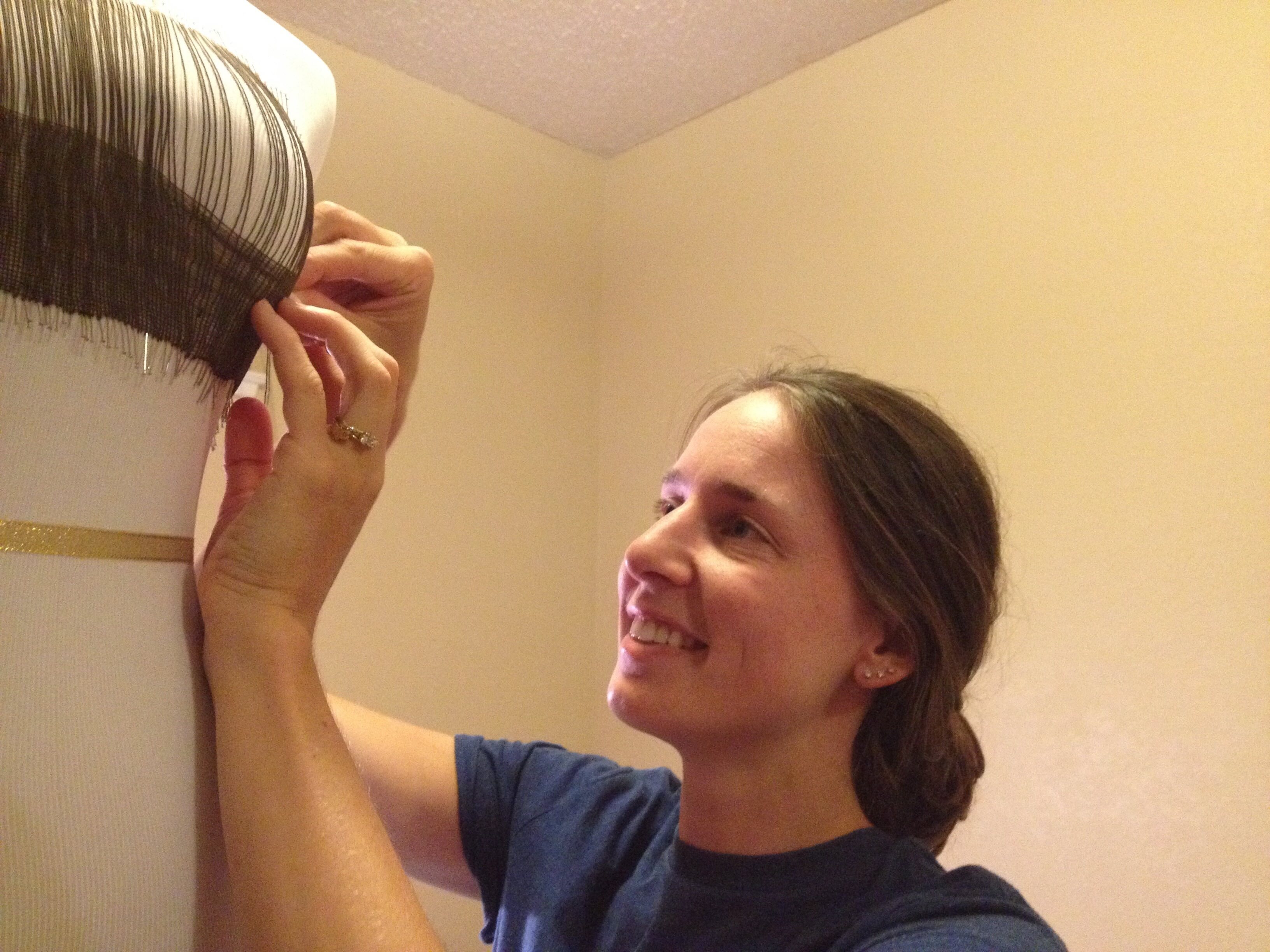
Beth says her dreams of being a fashion designer started young. “I wanted to draw things and make them happen. That evolved into the curiosity of wanting to make something, which translated into the sciences, the materials, the manufacturing.”
She recognizes that it was a privilege to chase that curiosity, but says that it’s been a consistent driving force in her career. “You’ll inherently be driven to learn more and pursue something very hard because of the curiosity there. There’s something worth learning more about if you’re curious,” she said.
While she started at first with drawing a sketch and making it come to life, now she says, “Design is dreaming a future and then trying to realize it. It’s still similar to how it started—something doesn’t exist, you think it through in your head, and you make it in real life with tools. But now it’s more on a system level.”
Growing pains
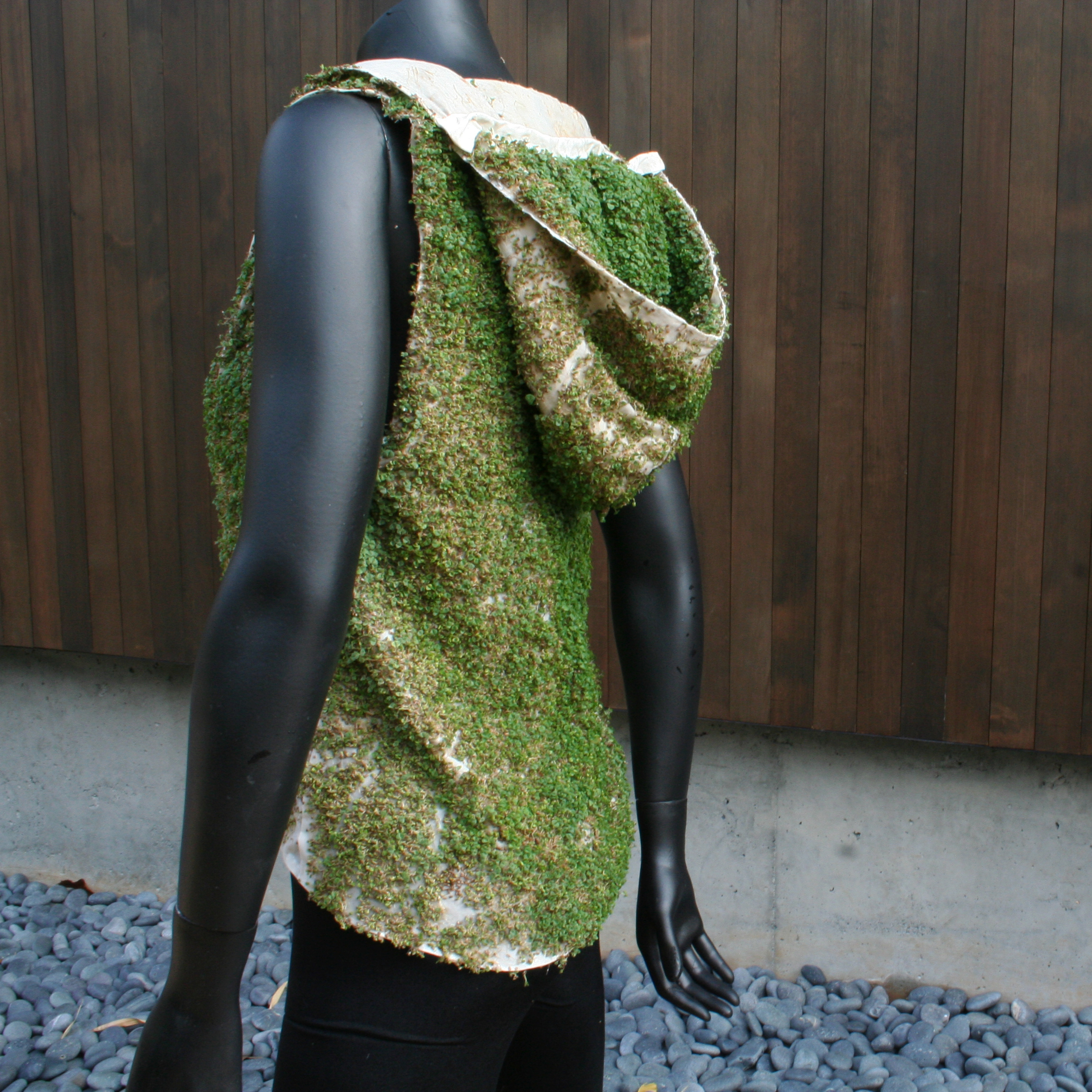
Physical materials are a major focus for Beth as a designer. Right now, she’s interested in organic materials like chia or lichen. Because the fashion industry notoriously creates a lot of waste, it planted the idea in her mind for unspun.
At a clothing company she worked at, Beth said she was shocked when the three ideas for their extra tents were to trash it, burn it, or send it to a third world country. “I think that made me question, ‘Why am I in this industry? How do we experience life in a way that’s not trashing our only planet?’”
Building and breaking layers
“What I really love about the d.school is it’s a sanctuary for peeling back layers, for building on things that seem silly, for breaking down walls,” said Beth.
One thing she especially valued was working across different disciplines and finding inspiration there. New experiences spark new ideas, more empathy and a wider variety of design concepts.
“Design is such an interesting word because to me, it could be anything,” said Beth. “I wish more people would see the potential in the word ‘design’ and how much impact we as humans have on things going forward.”
Beth experimented with building layers of material for fashion and building on the HMW (“how might we?”) model of questions. “I knew I wanted to figure out other ways to manufacture clothing because it felt broken. At the d.school, they said, ‘Think about the problem and remove as much bias and preconceived notions as possible,’ so I landed on ‘how might we build something on demand?’”
Rebirth and recycling
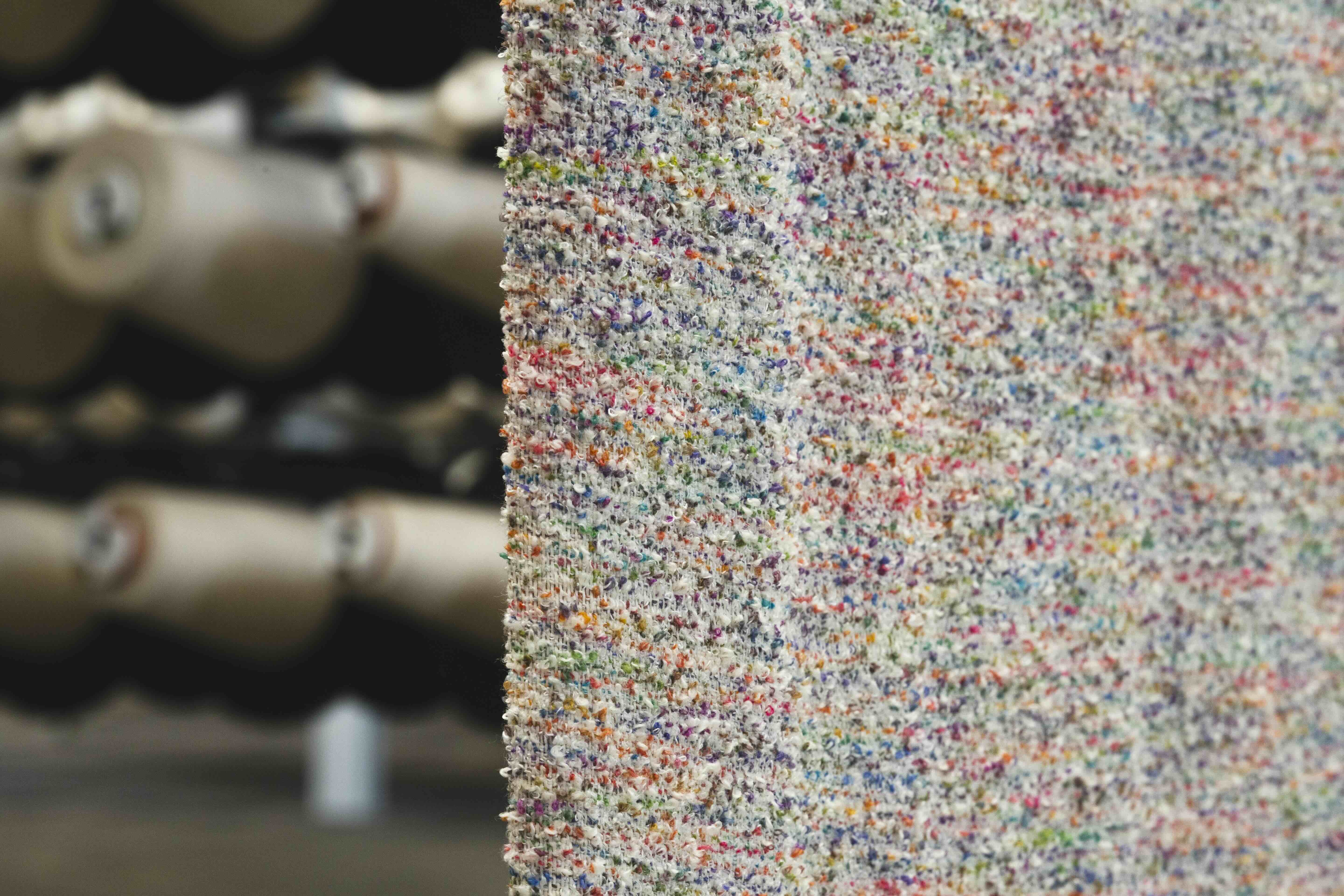
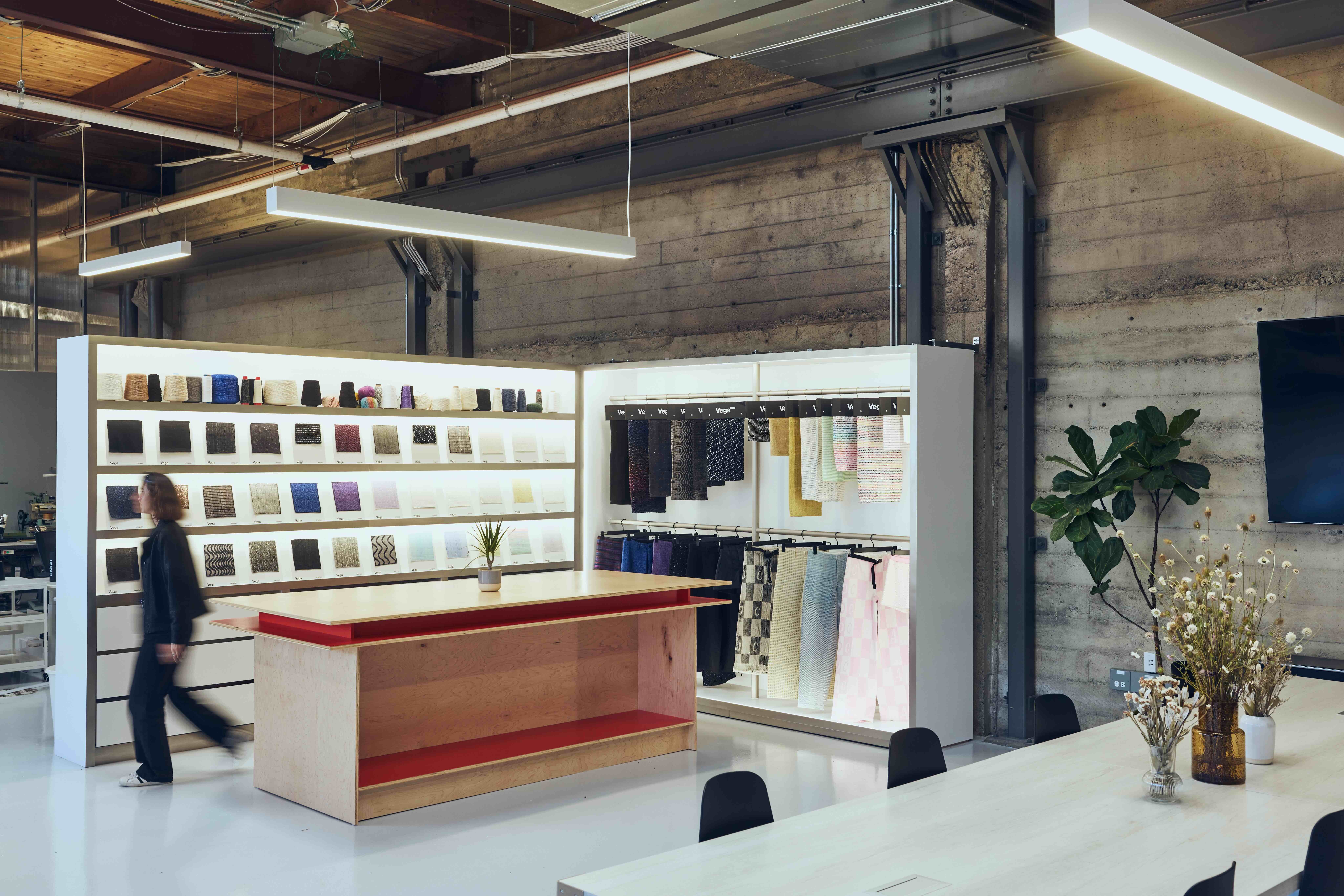
At unspun Beth creates garments without cutting fabric, weaving every piece in three dimensions to exact specifications. Since the product is never cut, the entire piece can be unraveled and recycled. Beth says their end goal is to make more thoughtful products, inspired by the cycle of life.
“A tree gets struck by lightning and decays, and all of its pieces continue to create value for the next generation,” said Beth. “The decay becomes a rebirth.”
Unspun has partnered with a number of brands. Working with Pangaia and Weekday, unspun developed an on-demand process for supplying jeans. Denim is one of Beth’s favorite materials to work with because it has “so much personality.” She’s especially proud of their work with Teget, where the 3D snakeskin effect on Ana Kras’ pants was an intentional outcome of their weaving process.
Towards the future
“You don’t know what you’ll see tomorrow. But without ambiguity, you kind of get bored and complacent,” said Beth, on running a startup.
Beth encourages people to keep thinking openly about problems in order to find solutions. “We’re so hindered by preconceived knowledge. Even if you are an expert, you can teach yourself to remove those assumptions or take what you know too seriously.”
After the d.school, Beth went to the University of Oregon to look for co-founders for unspun and to inspire others. And since its start ten years ago, unspun’s grown exponentially—and Beth is excited for its trajectory. “Sometimes you need to start with that nugget of an idea and see where it goes. To see it in the wild and where other people can take it.”
Credits
Thanks to Tran Ha and Amalia Rothschild for originally interviewing Beth for the d.school’s “This Is Design Work” exhibition; Mark Grundberg for shaping the interview content; Second Peninsula for producing the video; the d.school’s academic team and teachers for guiding generations of designers; Eli Ramos for writing this article; and Jenn Brown for her persistently collaborative editing. Photos by Beth Esponnette and unspun.
