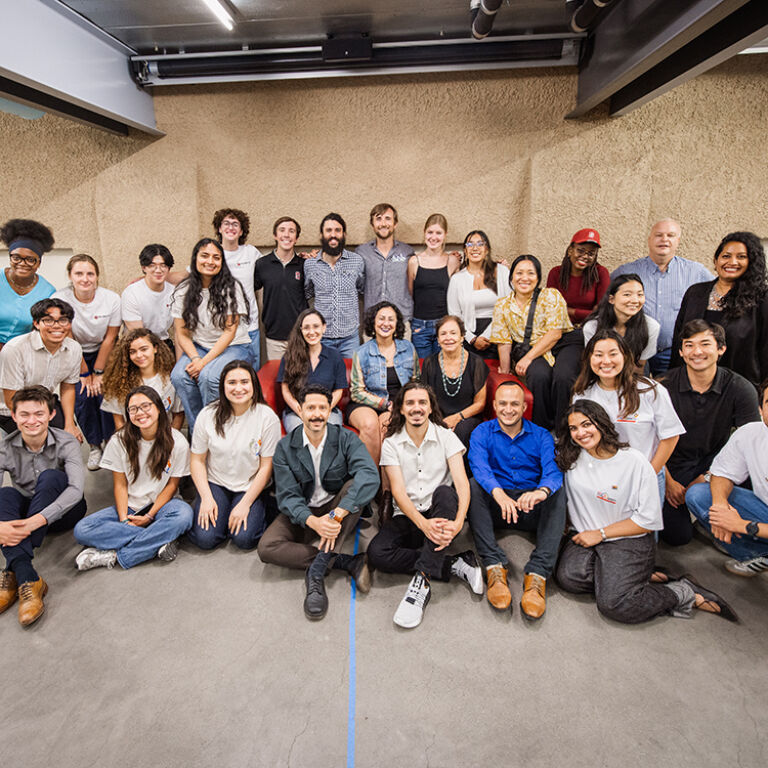
As Design for Extreme Affordability — commonly known as Extreme — concludes its formal course programming after 23 years, we are taking an opportunity to celebrate its extraordinary impact.
A collaboration between the d.school and Stanford Graduate School of Business (GSB), the two-quarter, multidisciplinary course brought together Stanford students to design products and services with organizations working with under-resourced communities around the world.
“Design for Extreme Affordability has had an exceptional trajectory,” said Sarah Stein Greenberg, the d.school’s executive director and one of Extreme’s early teaching fellows. “More than two decades of impact is a remarkable run, especially for a class with so many complex and moving parts that span disciplines, continents, and communities. Extreme’s impact continues to spread through its ongoing, real-world solutions and through its many alumni, coaches and partners who continue to build on its core philosophies and methods.”
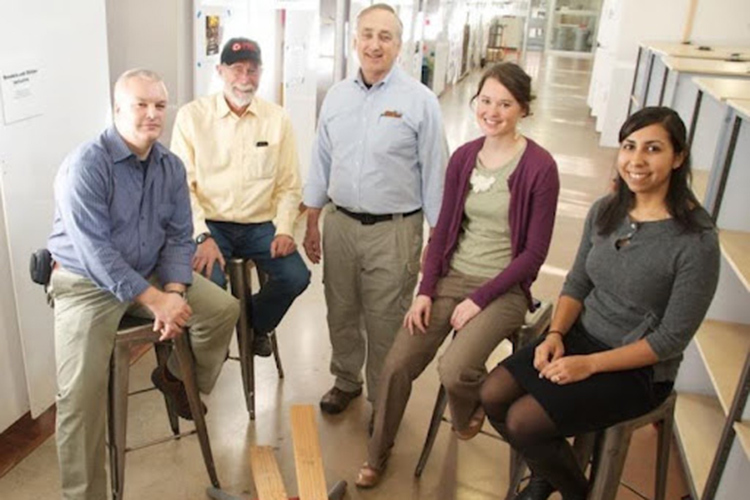
The course was founded on the conviction that design should be used to meet the needs of people designers rarely work with. To paraphrase IDE Founder and early course partner Paul Polak: “Focus design on the other 90% of the world’s population, not just the richest 10%.” Sparked in part by this idea, Extreme became successful due to the dedication of Jim Patell, along with Dave Beach and Julian Gorodsky, and important early contributions by Bill Behrman and David Kelley. As Extreme grew, numerous d.school fellows and coaches taught and mentored students.
A loss of funding, combined with changes in student preferences post-Covid, led to the course’s ending. The current teaching team is seeing the program through this final transition. Stuart Coulson was a critical part of Extreme for 18 of its 23 years, shepherding the program through constant iteration and change. Manasa Yeturu, the d.school’s undergraduate social impact domain lead, joined Extreme in 2019 and deepened its participatory design and relationship-centered approach. Naita Saechao Chialvo, who joined in 2022, led the development of the Costa Rican ecosystem of relationships between students, communities, and coaches.
Since 2003, Extreme has worked with nearly 800 students from across Stanford’s campus. Over the course of 202 projects, students partnered with 104 organizations spanning over 30 countries, launching social enterprises or helping partner organizations implement products and services that have reached an estimated 350 million people globally.
Solar energy company d.light has brought affordable solar power to more than 175 million people across Africa and Asia since 2007. The MiracleFeet Brace, a collaboration between an Extreme student team and the nonprofit MiracleFeet, brought the cost of a clubfoot brace from $1,000 to $20 and is now distributed in 39 countries. Embrace is a $200 infant warmer that requires no electricity and helps low-birth-weight newborns in communities without access to traditional incubators. Since it launched in 2014, Noora Health has trained 65 million family caregivers across four countries, reducing post-surgical complications by 71%.
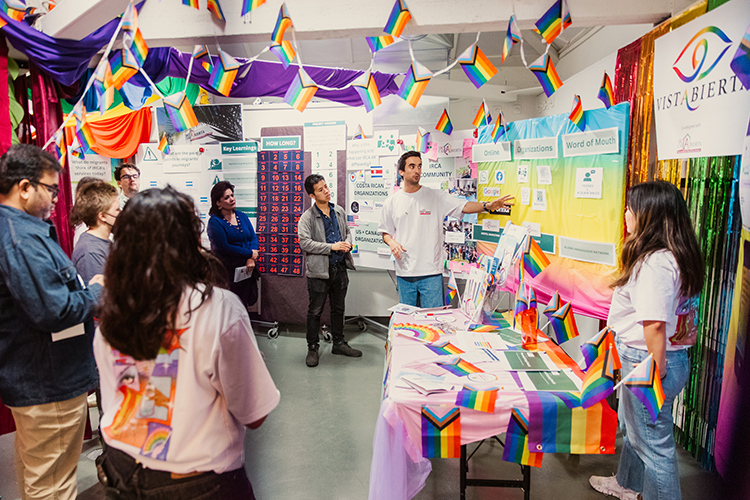
“Providing a springboard for impactful solutions — both for partner organizations and for student-led ventures — was always a core responsibility of the class,” said Stuart Coulson. “The best achievements are hard won, and watching teams move through ambiguity, struggle, and breakthrough to deliver real impact is what made Extreme worth the effort.”
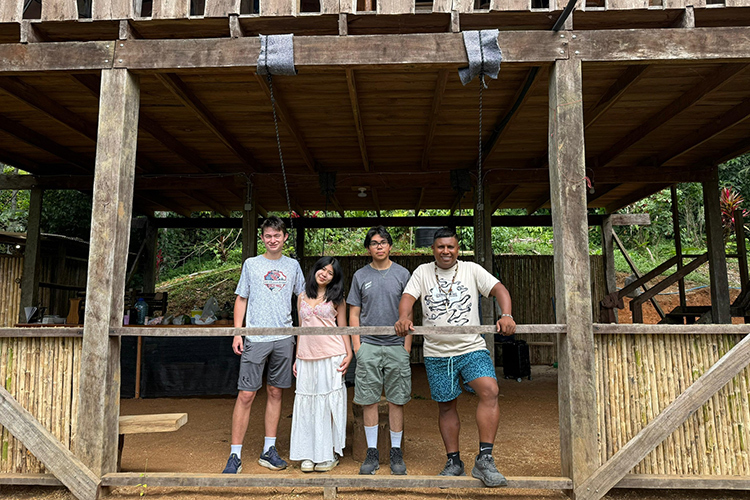
As the challenges faced by communities shifted, the program evolved to deepen its commitment to a participatory, community-led approach, including a greater emphasis on service design. During the pandemic, it focused on partnerships within local community ecosystems in California’s Bay Area. In the last three years, Extreme anchored its work in Costa Rica, building longer-term relationships with local partners and communities. Projects there included the launch of the Nosara Youth Council, a youth-led platform that drives community transformation through mentorship and real-world civic projects in partnership with the Biblioteca David Kitson.
“The shift to three-year cycles allowed our partners, coaches and students to embody the value of relationship-first, care-centered, and intentional co-design,” said Manasa Yeturu.
The d.school is grateful to the GSB for more than two decades of partnership and the support from the Stanford School of Engineering. Above all, we are thankful for the faculty, staff, fellows, and coaches across Extreme’s history for everything they gave to this program and its students. As a result of their efforts, the students who experienced Extreme carry with them a unique orientation toward their work and a responsibility to the communities they engage.
The team is creating the Extreme Open Archive, a public resource that captures the unfiltered reality of the work: why prototypes stalled, how partner dynamics evolved, and how the program reconsidered assumptions about scale and ethics.
Extreme was always a community defined by the partners, coaches, students, and alumni who gave it life. To contribute stories or artifacts to the Open Archive, or to express interest in attending co-design sessions, please complete this Community Interest Form. To explore the program's impact and history, check out a chapter about Extreme written by Stuart Coulson in Frontiers in Social Innovation and at the program's website extreme.stanford.edu.